A complete
security architecture

Ten defined services. They are designed to be combined, and every engagement begins by establishing which of them the requirement actually needs.

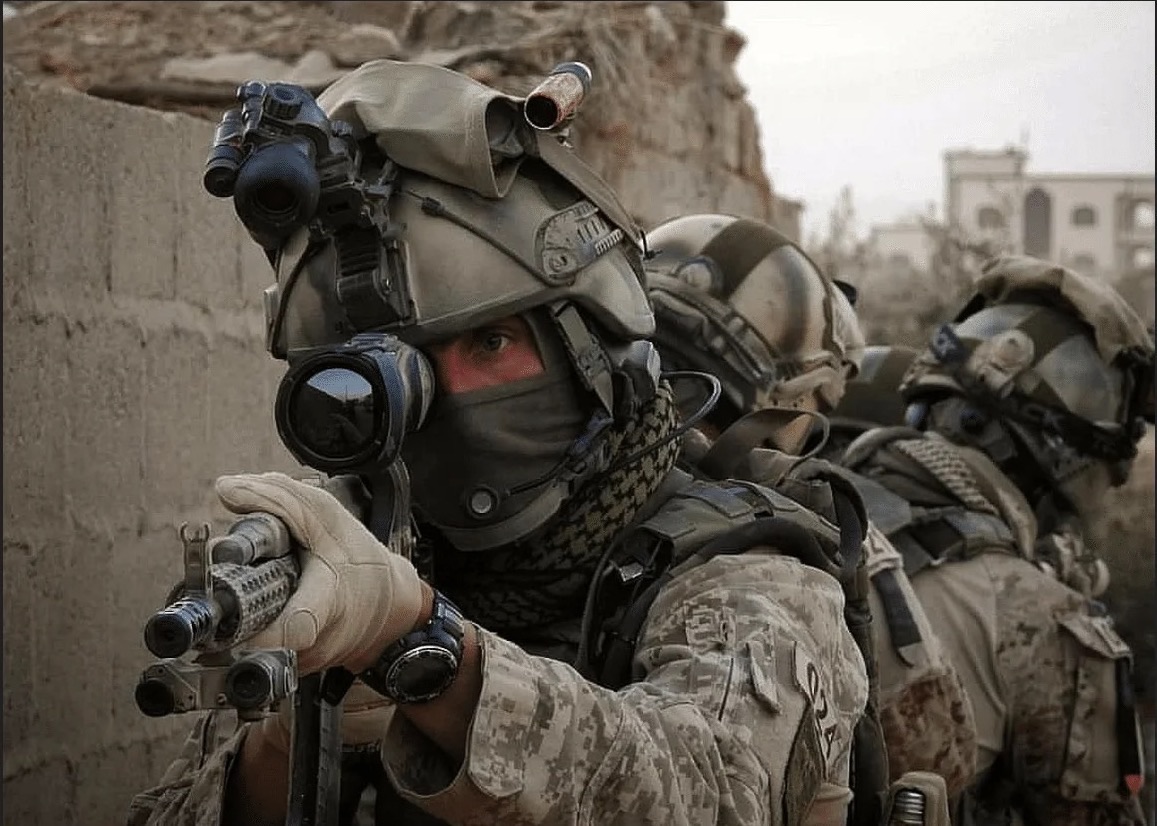
A prepared security team moving in a considered, coordinated sequence along a protected approach.
Capability is sequence, not scale

Service detail

Service 01

Executive Protection

Protective presence

Discreet protective support for executives, principals, families and eligible clients, sized to assessed risk rather than to appearance.

Executive protection is delivered as a planned programme: advance work on routes and venues, liaison with the principal’s office, agreed communication protocols, and a rehearsed set of contingencies. Presence is the visible part of a much larger preparatory effort.

  • Advance planning and reconnaissance
  • Principal and office liaison
  • Route and venue assessment
  • Low-profile movement
  • Communication protocols
  • Contingency rehearsal

Executive protection in detail

Service 02

Personal Security

Individuals & families

Personal safety and protective-security planning for individuals and families who do not require a permanent protective detail.

Much of the value here is advisory. We review daily patterns, home and workplace arrangements, digital exposure and travel habits, then recommend a small number of changes that meaningfully reduce predictability — the single most common contributor to personal risk.

  • Pattern-of-life review
  • Home and workplace guidance
  • Digital and information exposure
  • Family safety planning
  • Escalation and contact protocols
  • Periodic reassessment

Service 03

Corporate Security

Organisations

Security arrangements for organisations: governance, written policy, physical measures, personnel procedures and the management structure that keeps them current.

Corporate security fails most often through drift rather than through a single dramatic failure — procedures written once and never reviewed, access controls quietly worked around, responsibilities that moved when someone left. We design for maintenance as much as for protection.

  • Security governance and ownership
  • Policy and procedure drafting
  • Access and visitor control review
  • Staff awareness programmes
  • Incident reporting structures
  • Supplier and contractor review

Service 04

Travel Security

Movement & transit

Travel risk planning and personal-security preparation for business travel, relocation and work in unfamiliar operating environments.

Travel introduces exposure precisely because routine disappears: unfamiliar infrastructure, unknown local norms, reduced support and a traveller who is more identifiable than they realise. Preparation before departure is significantly more effective than support after arrival.

  • Destination risk briefings
  • Accommodation and transport guidance
  • Local legal and cultural context
  • Communication and check-in plans
  • Medical and insurance considerations
  • Emergency contact arrangements

International assignments

Service 05

Security Consultancy

Advisory

Independent advice on security strategy, structure and spend, delivered as written work a client can act on without us.

We are frequently engaged to review arrangements that already exist — sometimes to confirm they are sound, sometimes to establish why they are not producing confidence. Our output is a documented assessment with prioritised, costed and proportionate recommendations.

  • Security strategy review
  • Proportionality and spend analysis
  • Procedure design
  • Vendor and provider review
  • Board-level reporting
  • Implementation support

Service 06

Security Assessments

Assessment

Structured assessment of a person, site, route, event or organisation against credible risk — documented, evidenced and prioritised.

An assessment is only useful if it distinguishes between what is possible and what is plausible. We work to a defined framework so that findings can be compared over time and progress can be demonstrated rather than asserted.

  • Site and premises assessment
  • Route and movement assessment
  • Personal exposure assessment
  • Threat and vulnerability analysis
  • Prioritised findings register
  • Re-assessment scheduling

Our risk framework

Service 07

Event Security Planning

Planning

Security planning for private, corporate and public-facing events, coordinated with venues, organisers and licensed providers.

Event work is a planning discipline. Arrival and departure, accreditation, crowd flow, medical provision, adverse weather and a clear command structure matter far more than the number of people standing at a door on the night.

  • Venue assessment and liaison
  • Arrival and departure planning
  • Accreditation and access design
  • Crowd flow and capacity review
  • Medical and emergency coordination
  • Command and communication structure

Service 08

Residential Security Consultancy

Property

Advisory work on private residences: physical security, procedures, household staff arrangements and the routines that surround a home.

Residential security is as much about behaviour as hardware. Deliveries, staff turnover, contractors, social media and predictable movements typically create more exposure than the physical perimeter does. We advise on both, and we design around how a household actually lives.

  • Perimeter and access review
  • Alarm, lighting and CCTV guidance
  • Household staff procedures
  • Delivery and contractor protocols
  • Safe-area and response planning
  • Family and staff briefings

Service 09

Crisis Preparedness

Preparedness

Preparation for serious disruption: who decides, who speaks, who is notified, and what happens in the first hour.

Crises are rarely lost on strategy. They are lost on the basics — an out-of-date contact list, an unclear decision-maker, a statement made before facts were established. We build and rehearse the simple structures that hold when circumstances do not.

  • Crisis roles and decision authority
  • Notification and escalation trees
  • Communication protocols
  • Scenario exercises and rehearsal
  • Documentation and logging discipline
  • Post-incident review process

Service 10

Business Continuity

Resilience

Planning for how essential activity continues when people, premises, systems or suppliers become unavailable.

Continuity planning starts by identifying what genuinely cannot stop, and for how long. Most organisations discover that this list is shorter, and its dependencies stranger, than they assumed. The plan is then built around those dependencies rather than around the organisation chart.

  • Critical activity identification
  • Dependency and supplier mapping
  • Recovery time objectives
  • Alternative working arrangements
  • Plan testing and revision
  • Staff communication planning

11 Engagement

How an engagement is structured

Four stages, in order. We will not price an assignment we have not scoped.

E / 01

Enquiry

A confidential conversation to establish the requirement, the jurisdiction and whether we are the right organisation for it.

E / 02

Scoping

A written scope: what is included, what is not, who is accountable, the legal and licensing basis, and how success will be judged.

E / 03

Delivery

The work itself, delivered against the agreed scope with a named lead, defined reporting and an agreed escalation route.

E / 04

Review

A documented review covering what was delivered, what changed, what we would do differently, and what should be reassessed and when.

12 Next Step

Not sure which of these you need? That is what the first conversation is for.

Most clients arrive describing a symptom. The scoping work is what turns it into a defined requirement.